
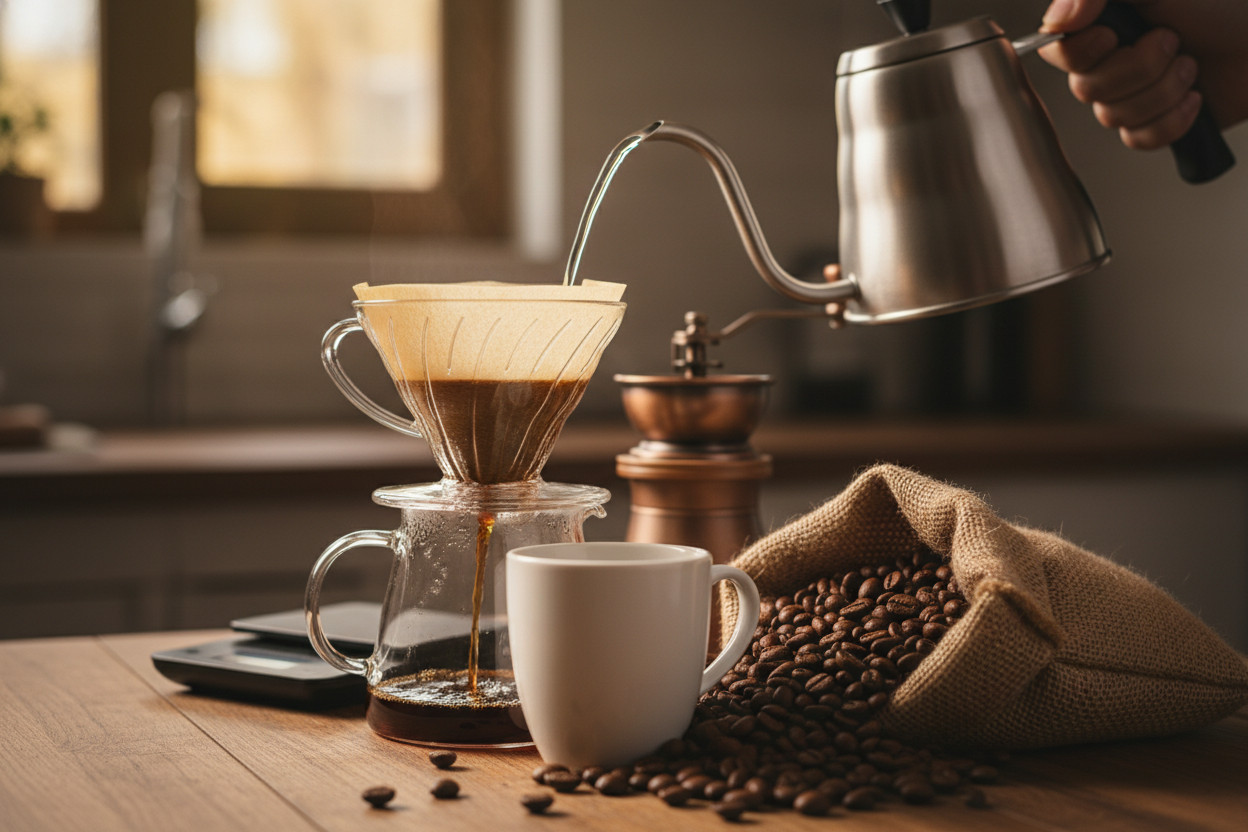

Mastering Pour-Over Brewing For Single-Origin Beans Guide
Stepping into the world of specialty coffee is an exciting journey for any enthusiast. It is more than just a morning routine; it is a chance to explore unique regional flavors that define high-quality harvests.
When you focus on single-origin coffee, you unlock a depth of character that standard blends simply cannot match. By mastering pour-over brewing for single-origin beans, you can turn your kitchen into a professional cafe.
This guide explores the essential coffee brewing techniques needed to highlight clarity and sweetness in every cup. We will walk you through the precise steps required for brewing perfect coffee at home. With a little patience and attention to detail, you will soon experience the true complexity hidden within your favorite roast.
Essential Equipment and Bean Selection for Mastering Pour-Over Brewing For Single-Origin Beans
Mastering pour-over brewing for single-origin beans requires more than just technique; it demands the right foundation. The quality of your final cup is determined long before the water touches the grounds. By focusing on high-quality components, you set the stage for a truly exceptional experience.
Selecting High-Quality Single-Origin Coffee
When you choose single-origin coffee, you are looking for a unique expression of a specific region. Specialty coffee roasters often highlight the distinct terroir of these beans, which can range from bright citrus notes to deep, chocolatey undertones. Investing in high-quality beans is the most important step in your brewing journey.
Understanding Roast Profiles and Origin Characteristics
Lighter roasts are generally preferred for this method because they preserve the delicate floral and fruity notes of the bean. These profiles allow the true character of the origin to shine through clearly. Darker roasts, while bold, often mask the subtle complexities that make single-origin coffee so rewarding to explore.
The Importance of Freshness and Grind Consistency
Freshness is non-negotiable when you want to achieve the best results. Always check the roast date on your bag and aim to use beans within a few weeks of that time. Furthermore, a consistent grind size is vital for even extraction, so using a high-quality burr grinder will significantly improve your pour-over coffee.

Required Brewing Gear
Having the right pour-over equipment transforms your kitchen into a professional-grade lab. While the process seems simple, the tools you choose dictate how the water interacts with your coffee bed. Selecting gear that matches your flavor preferences will help you refine your craft over time.
Choosing the Right Dripper: Hario V60 vs. Chemex
The Hario V60 and the Chemex offer very different experiences due to their design. The V60 features internal ridges and a large hole, which promotes a faster flow rate and highlights bright acidity. In contrast, the Chemex uses a thicker filter and a different cone geometry, resulting in a cleaner, more balanced cup with a lighter body.
Precision Tools: Gooseneck Kettles and Digital Scales
A gooseneck kettle is essential for achieving the controlled, steady stream required for even saturation of the coffee grounds. Without this level of precision, you risk uneven extraction and channeling. Pairing your kettle with a digital scale ensures that your ratio of coffee to water remains consistent every single time you brew.
Step-by-Step Brewing Process for Optimal Flavor Extraction
Precision is the secret ingredient when you are ready to elevate your daily coffee ritual. By focusing on specific coffee brewing techniques, you can transform simple beans into a complex and vibrant beverage.
Preparing Your Coffee Bed
The foundation of a great cup starts long before the water hits the grounds. Proper coffee preparation ensures that your extraction remains consistent every single time you brew.
Measuring and Grinding Your Beans
Start by weighing your beans with a digital scale to ensure accuracy. A medium-fine grind, similar to the texture of sea salt, is ideal for most pour-over coffee setups.
Consistency in your grind size prevents uneven extraction. If your grounds are too coarse, the water will pass through too quickly, leading to a weak and sour cup.
Rinsing the Filter to Remove Paper Taste
Place your paper filter into the dripper and rinse it thoroughly with hot water. This essential step removes any lingering papery residue that could taint the delicate flavors of your single-origin beans.
Discard the rinse water from your carafe before adding your coffee grounds. This also serves to preheat your pour-over equipment, which helps maintain a stable temperature during the brewing cycle.

Executing the Perfect Pour
Once your bed is ready, the way you introduce water determines the final quality of your drink. These coffee brewing tips will help you achieve a balanced and delicious result.
The Bloom Phase: Releasing Carbon Dioxide
Begin by pouring just enough water to saturate the grounds, then wait about thirty seconds. This is the bloom phase, where trapped carbon dioxide escapes from the coffee.
“The bloom is the breath of the coffee, allowing the true character of the bean to emerge during the extraction process.”
Controlled Pouring Techniques for Even Saturation
Continue pouring the remaining water in slow, steady, concentric circles. This movement ensures that every particle of coffee is evenly saturated, preventing dry pockets that lead to uneven flavor.
Avoid pouring directly onto the sides of the filter. Keeping the stream centered helps maintain a consistent flow through the coffee bed.
Managing Draw-Down Time for Balanced Extraction
The total draw-down time is a vital metric for success. If the water drains too slowly, your coffee may become bitter; if it drains too fast, it might taste thin or sour.
Aim for a steady, rhythmic drip that finishes within your target window. Mastering this timing is one of the most effective coffee brewing tips for achieving a professional-grade cup at home.
Conclusion
Mastering the art of the pour-over turns a simple morning routine into a sensory experience. You now possess the knowledge to transform high-quality single-origin beans into a cup that highlights unique regional notes.
Consistent coffee preparation relies on your ability to observe small changes in the cup. Small adjustments to your grind size or water temperature often lead to massive improvements in flavor clarity.
Applying these coffee brewing tips helps you gain confidence behind the kettle. You will soon identify the subtle differences between a bright Ethiopian Yirgacheffe and a chocolatey Colombian roast.
The journey toward brewing perfect coffee remains an ongoing experiment. Share your favorite bean discoveries with local roasters like Stumptown or Intelligentsia to expand your palate. Your next great cup starts with the very next pour.
