
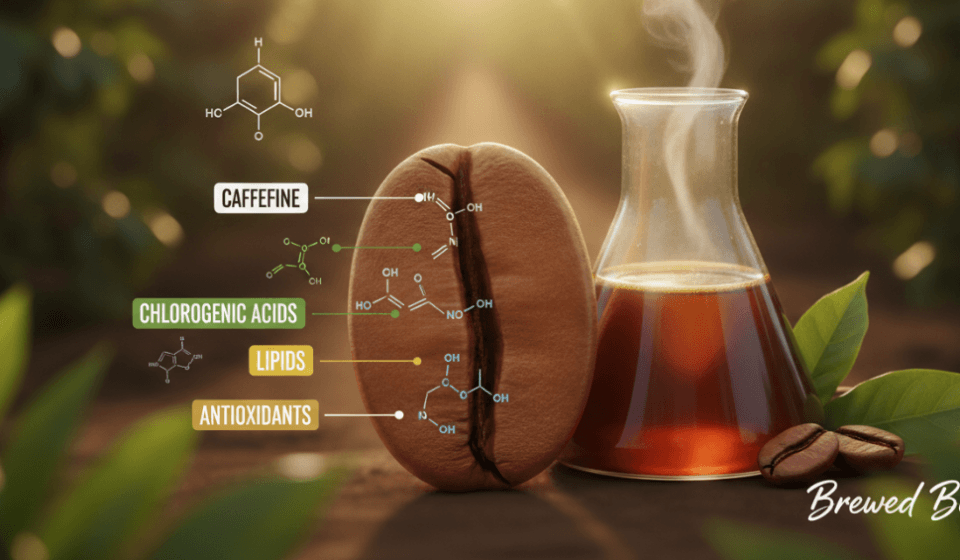
How Single-origin Coffee and Antioxidants Boost Your Health

This favored drink actually contains a wealth of health advantages
Have you thought about how your regular cup of single-origin coffee serves a purpose beyond simply boosting your alertness? This favored drink actually contains a wealth of health advantages, thanks to its rich antioxidant properties.
For many Americans, coffee is a primary source of dietary antioxidants. These powerful compounds play a crucial role in promoting overall wellness. This guide will delve into the fascinating relationship between your favorite brew and its health-enhancing properties.
We’ll explore how the origin of your beans affects their antioxidant content, the impact of growing conditions, and the best brewing methods to maximize these benefits. By the end, you’ll understand how to choose, store, and brew your coffee for optimal flavor and health perks.
Join us on this journey to discover how a thoughtfully sourced cup can be a delightful part of a balanced lifestyle. Let’s unlock the secrets of your morning ritual together!

Key Takeaways
- Discover how coffee serves as a significant source of dietary antioxidants.
- Learn the importance of bean origin and growing conditions on health benefits.
- Understand brewing methods that enhance antioxidant extraction.
- Explore the connection between coffee and chronic health condition prevention.
- Find out how to enjoy coffee as part of a health-conscious lifestyle.
Introduction: Unlocking the Health Power of Single-Origin Coffee and Antioxidants
If you love your morning brew, you’re already doing something wonderful for your body! Many people don’t realize that their favorite drink offers more than just a caffeine boost.
In fact, coffee is one of the largest daily sources of dietary antioxidants for millions in the United States. This means that by simply enjoying a cup, you are supporting your health.
But what exactly does that mean? The concept of single-origin coffee helps you understand where your beans come from, how they are grown, and how these factors impact the health-promoting compounds in your cup.
The antioxidants found in coffee, particularly polyphenols like chlorogenic acids, play a vital role. They work to neutralize harmful free radicals, reducing oxidative stress in your body.
Research shows that regular coffee consumption is linked to a lower risk of neurodegenerative diseases such as Alzheimer’s and Parkinson’s. It also supports better metabolic and cardiovascular health.
While coffee isn’t a substitute for fruits and vegetables, it does contribute significant amounts of antioxidants to the average American diet. The way coffee is grown, processed, roasted, and brewed affects the types and amounts of antioxidants in your mug.
This guide will simplify the science behind coffee, offering practical advice so you can make informed choices about your daily ritual. Our goal is to help you appreciate how your morning cup can enhance your overall wellness while tasting amazing.
Before we dive into the science, let’s take a moment to explore the rich history and cultural significance of this remarkable beverage.

The Rich History and Cultural Significance of Coffee
The story of coffee is as rich and vibrant as the drink itself. It all began in ancient Ethiopia, where a goat herder named Kaldi noticed something remarkable. His goats became lively after eating coffee berries, sparking humanity’s long love affair with this energizing bean.
By the 9th century, Ethiopian tribes were grinding ripe coffee berries and mixing them with animal fat. This combination created portable snacks that fueled long journeys. It wasn’t until the 14th century that the roasting process was discovered, transforming coffee from a simple snack into the aromatic beverage we know today.
As coffee spread across the Arabian Peninsula, it gained popularity. By the late 15th century, it reached cities like Mecca and Medina. By 1540, coffee was enjoyed in Cairo, Damascus, and Aleppo, becoming deeply woven into social and cultural life.
In Istanbul, around 1554-1555, the world’s first coffeehouses emerged. These spaces became hubs for conversation, intellectual exchange, and community, defining coffee culture for centuries. The 17th century marked coffee’s journey into Europe, with the first European coffeehouse opening in Oxford around 1650. Soon, establishments popped up in Marseille, Paris, Amsterdam, Vienna, and Hamburg.
Throughout its early history, coffee was regarded as an elixir. It was seen as a special source of energy that improved health, stimulated intellectual development, and treated various ailments. This reverence for coffee resonates with today’s single-origin movement, emphasizing traceability and appreciation for where coffee beans come from.
Understanding coffee’s cultural significance helps us appreciate why its health benefits have been valued for centuries. Today, global coffee consumption has reached 168.2 million 60-kg bags in the 2022/2023 period, solidifying coffee’s status as one of the most beloved beverages on Earth.

The Chemical Composition of Coffee Beans and Their Health Implications
Diving into the chemistry of your daily brew uncovers a world of health-promoting properties. Understanding what’s inside your cup helps you make smarter choices for both flavor and wellness. Coffee is not just a source of caffeine; it is a complex matrix of bioactive compounds that can positively influence your health.
Alkaloids: Caffeine and Trigonelline
Caffeine is the most famous compound in coffee, with the chemical formula C8H10N4O2. On average, raw Arabica beans contain about 0.9-1.2% caffeine by dry weight. This natural stimulant works as an adenosine receptor antagonist in the brain. By blocking the neurotransmitter responsible for drowsiness, caffeine helps you feel alert and focused. This is why many Americans reach for coffee first thing in the morning.
Another important alkaloid is trigonelline, which comprises 1-1.2% of raw Arabica beans. During roasting, trigonelline transforms into nicotinic acid and contributes to the distinctive aroma of your brew. This lesser-known compound plays a significant role in the flavor profile of your favorite drink.
Polyphenols and Chlorogenic Acids
Chlorogenic acids are the star antioxidants in coffee. They make up about 5.5-8% of the dry weight of Arabica beans, making this beverage one of the richest dietary sources of these protective compounds. These acids exist in various forms, with 3-caffeoylquinic acid being the most abundant isomer. They are responsible for much of coffee’s antioxidant activity and contribute to many health benefits.
Diterpenes and Other Bioactive Compounds
Diterpenes, such as cafestol and kahweol, are lipid-soluble compounds found in coffee oil. These compounds have been studied for their anti-inflammatory and cholesterol-modulating effects. The concentration of diterpenes in your cup depends heavily on the brewing method. Unfiltered methods like French press and espresso retain more of these beneficial compounds, while paper filters trap most of them.
This complex chemical composition is what makes coffee not just a delicious beverage but a functional food with profound implications for health and wellness.
Understanding Antioxidants and Their Importance to Health
Imagine your body as a bustling city, where free radicals are like unexpected sparks that can cause chaos if not managed. These unstable molecules form naturally during processes like metabolism. However, they can also come from external sources such as pollution, UV radiation, and poor diet.
When free radicals accumulate faster than your body can neutralize them, oxidative stress occurs. This condition is linked to gradual cell damage and plays a significant role in aging and the development of chronic diseases.
Antioxidants serve as your body’s natural defense system against oxidative stress. They help neutralize free radicals, protecting your cells from damage. For many American adults, coffee is one of the most significant dietary sources of these protective compounds.
In fact, the average intake of polyphenols from coffee is about 426 mg per day. This makes it a powerhouse of antioxidant activity, even more so than green tea. The primary polyphenols in coffee, known as chlorogenic acids, play a crucial role in this antioxidant effect.
Chlorogenic acids possess a unique polyhydroxyl structure. This allows them to directly scavenge and neutralize free radicals, while also activating your body’s own antioxidant defense pathways. They even influence the regulation of genes responsible for these protective processes.
Additionally, chlorogenic acids help activate the Nrf2 signaling pathway. This pathway turns on your body’s internal antioxidant production systems, enhancing cellular protection.
While coffee is an excellent source of antioxidants, it works best as part of a balanced diet rich in fruits, vegetables, and whole grains. It is not a replacement but a valuable complement to your overall health.
It’s important to note that the antioxidant content of coffee can vary widely. Factors like origin, processing, roasting, and brewing all play a role. This is why exploring different types of coffee can offer unique opportunities to maximize these benefits.
Rest assured, every cup of thoughtfully sourced and prepared coffee contributes to your daily antioxidant intake. This helps support your body’s natural defenses against oxidative stress, promoting long-term health.
How Single-Origin Coffee Influences Antioxidant Content and Quality
The story behind your cup extends beyond taste; it influences the health properties packed within. Understanding the specific origin of your beans—where they are grown, at what altitude, and in what soil—directly impacts the antioxidant compounds they contain. This knowledge is similar to knowing the exact farm where your vegetables were sourced. It gives you insight into the conditions that shape both flavor and health benefits.

This single-origin coffee from Peru boasts a vibrant, fruit-forward flavor profile, highlighted by rich chocolate undertones and tropical hints of apple, plum, and pineapple. With a juicy, velvety texture and a lingering fruity aftertaste, it stands out as a unique selection from the Amazonas highlands. Additionally, it offers beneficial antioxidants, enhancing its appeal.
The Role of Origin, Altitude, and Soil in Coffee’s Antioxidant Profile
High-altitude growing conditions, typically above 1,500 meters, create stress on coffee plants. This stress actually boosts the production of antioxidant compounds as a natural defense mechanism. For instance, Ethiopian Sidamo coffee is grown at 1,700-1,900 meters in nitisol soil. The indigenous heirloom cultivars here develop slowly, resulting in denser beans rich in complex polyphenols and bright, fruit-forward flavors.
Another excellent example is Ugandan Sipi Falls coffee, cultivated between 1,500 and 2,500 meters in volcanic loam. The mineral-dense soil contributes to a robust antioxidant profile, resulting in a clean and vibrant cup character. Soil composition is crucial; volcanic soils are rich in minerals that coffee plants absorb, influencing both flavor complexity and the concentration of health-protective compounds.
Additionally, temperature swings between day and night at high altitudes trigger beneficial stress responses in the coffee plant. This leads to the production of more chlorogenic acids and other polyphenols, which serve as the plant’s natural sunscreen and pest defense.
The Impact of Coffee Processing Methods on Antioxidants
The processing method used after harvesting also significantly affects the antioxidant content of the beans. Natural process coffees, where the whole cherry dries around the bean, preserve more polyphenols from the fruit’s skin and pulp. This often results in berry-like, winey flavors and a richer mix of antioxidant compounds.
In contrast, washed process coffees remove the pulp and mucilage before drying. This method produces a cleaner, brighter cup with a different balance of acids and phenolic compounds, but still retains substantial antioxidant activity. Honey processing is a middle ground, leaving some mucilage on the bean during drying. This method offers a unique intersection of flavor and antioxidant content that many specialty coffee lovers appreciate.
Choosing single-origin coffee allows you to understand and appreciate how origin, altitude, soil, and processing all work together. This knowledge enhances both the taste and the health benefits of your daily cup.
The Effect of Roasting on Coffee’s Antioxidant Composition
Roasting is a transformative process that changes green beans into the aromatic brew we love. This step not only enhances flavor but also reshapes the antioxidant landscape inside the bean.
Just like cooking vegetables, where raw broccoli and roasted broccoli both offer nutrition, roasting alters the nutrient profiles of coffee beans. Green coffee beans contain high levels of chlorogenic acids. As roasting begins, these compounds start to transform, break down, or combine with other molecules to create new antioxidant compounds with different properties.
Light roasts preserve the highest amount of the original chlorogenic acids found in green beans. This makes them a great choice for those wanting to maximize their intake of these specific polyphenols while enjoying bright, acidic, and floral flavor notes.
A 2020 study found that medium-roasted coffee actually had more total phenolic acids, caffeine, and overall antioxidant activity compared to both light and dark roasts. This makes medium roast a potential sweet spot for those seeking balanced antioxidant benefits.
Medium roasts convert some chlorogenic acids into other compounds through the Maillard reaction and caramelization. This process creates rich aromas and flavors while still preserving a substantial share of polyphenols.
Now, let’s discuss dark roasts. They do reduce chlorogenic acid content further, but they generate entirely new antioxidant compounds through Maillard reactions. One study found that dark-roasted coffee had significantly higher levels of salicylic acid.
It’s important to emphasize that there is no “healthiest” roast level. Light, medium, and dark roasts each offer different antioxidant profiles and flavor experiences. The best choice is the one you enjoy drinking consistently.
The Maillard reaction, caramelization, Strecker degradation, and other chemical processes during roasting give coffee its characteristic color, taste, and aroma. This transformation turns the raw bean into the fragrant, flavorful drink we love.
Rest assured, all roast levels provide meaningful amounts of antioxidants. Feel free to explore and find the roast that delights your palate while still supporting your health goals. Remember, roasting is both an art and a science. Understanding its effects on antioxidants helps you appreciate the craftsmanship behind every bag of coffee.
Brewing Methods and Their Influence on Antioxidant Extraction
The way you brew your favorite drink can greatly influence its health benefits. Different methods extract various compounds, affecting both the flavor and the antioxidant content in your cup. Let’s explore how each technique works and what it means for your health.
Filter Coffee: Pour-Over and Drip
Pour-over and drip methods utilize a paper filter that captures most of the coffee oils. This includes beneficial diterpenes like cafestol and kahweol. However, they allow the majority of water-soluble polyphenols and chlorogenic acids to flow into your cup.
This brewing method produces a clean, bright cup with excellent flavor clarity. A 2022 study confirmed that filtered coffee provides substantial amounts of bioactive compounds, making it an excellent everyday choice for antioxidant intake.
Pour-over techniques, such as the Hario V60 or Chemex, give you precise control over water temperature, flow rate, and extraction time. This flexibility allows you to fine-tune both flavor and antioxidant extraction to your liking.
Immersion Methods: French Press and Aeropress
The French press is a classic full-immersion method. Here, coffee grounds steep directly in hot water for several minutes. This results in a fuller-bodied cup that retains more oils and the beneficial diterpenes they contain.
The Aeropress offers a unique hybrid approach. It can be used with either paper or metal filters, giving you the flexibility to choose between a cleaner cup or one with more oils and a richer mouthfeel.
Immersion methods generally keep grounds in contact with water longer. This can increase the extraction of certain antioxidant compounds, although the exact profile depends on grind size, water temperature, and steeping time.
Espresso: Concentrated Antioxidant Delivery
Espresso is a concentrated powerhouse. A 2021 study found that espresso contained 158.31 mg of chlorogenic acids per 100 mL, significantly more than Americano at just 17.69 mg/mL. However, espresso is served in much smaller volumes.
While a single shot of espresso delivers a concentrated dose of antioxidants, your total daily intake depends on how many shots you drink. Many coffee lovers enjoy espresso-based drinks like lattes and cappuccinos as part of their routine.
Experimenting with different brewing methods can be fun. Finding the one that brings you the most joy is essential. The coffee you enjoy drinking is the one that will consistently deliver antioxidant benefits to your daily routine.
Health Benefits of Antioxidants Found in Coffee
Every sip of your favorite drink can provide a host of health benefits that go beyond just waking you up. The antioxidants present in coffee play a crucial role in enhancing your well-being. Let’s explore how these compounds can positively impact various aspects of health.
Combating Oxidative Stress and Free Radicals
Every day, your body faces attacks from free radicals generated by normal metabolism, pollution, UV rays, and stress. The antioxidants in coffee act like a daily shield, neutralizing these harmful molecules before they can damage cells.
Chlorogenic acids, a type of antioxidant, work through multiple pathways. They directly scavenge free radicals with their polyhydroxyl structure. They also activate the Nrf2/HO-1 pathway, which turns on your body’s internal antioxidant defense systems for a double layer of protection.
Supporting Cognitive Function and Neuroprotection
Exciting research shows that regular coffee consumption is associated with a reduced risk of neurodegenerative diseases like Alzheimer’s and Parkinson’s. A 2022 review found that Parkinson’s patients consuming at least 200 mg of caffeine daily experienced improvements in motor function.
Additionally, hydrocinnamic acids and other compounds in coffee may help prevent the formation of amyloid plaques in the brain. These plaques are hallmark characteristics of Alzheimer’s disease, offering a potential neuroprotective effect that scientists are actively studying.
Enhancing Metabolic and Cardiovascular Health
Coffee has been found to improve insulin sensitivity and reduce the risk of type 2 diabetes. Regular coffee drinkers also show a reduced risk of stroke and liver diseases, including liver cancer and cirrhosis.
The anti-inflammatory properties of coffee’s bioactive compounds help manage inflammation-related conditions. These conditions underlie many chronic diseases affecting Americans today.
Potential Anti-Aging Effects of Coffee Antioxidants
By combating oxidative stress and inflammation—two major drivers of the aging process—the antioxidants in coffee may contribute to healthier aging and improved healthspan. Some studies suggest that coffee consumption is associated with increased longevity.
A striking statistic from a 2016 study found that the risk of colorectal cancer decreased by 7% for every 4 cups of coffee consumed daily. This illustrates the potential protective effects of consistent, moderate coffee consumption.
While these benefits are supported by substantial scientific evidence, coffee works best as part of an overall healthy lifestyle. This includes a balanced diet, regular physical activity, and good sleep habits. The health benefits of coffee antioxidants are most pronounced with regular, moderate consumption.
In the following sections, we will provide practical guidance on how to optimize your coffee routine for maximum wellness support.
The Dual Role of Caffeine as a Stimulant and Antioxidant
Caffeine is more than just a pick-me-up; it plays a dual role in your favorite brew. Most people enjoy caffeine for its energizing effects, but its benefits extend far beyond that. This compound, known scientifically as C8H10N4O2, is one of the main alkaloids in coffee.
Caffeine works by blocking adenosine receptors in your brain. Adenosine is the neurotransmitter that builds up throughout the day, making you feel sleepy. By inhibiting its action, caffeine helps you feel alert, focused, and ready to tackle your to-do list.
Interestingly, caffeine’s chemical structure allows it to cross the blood-brain barrier rapidly. This is why you feel its effects within minutes of drinking your morning brew. Additionally, caffeine exhibits temperature-dependent solubility. Hotter brewing temperatures extract more caffeine, making your brewing method and water temperature crucial for how much of this compound ends up in your cup.
Beyond its stimulating effects, research suggests that caffeine may have antioxidant properties. These properties could help protect against oxidative damage and inflammation, particularly in the context of cognitive decline and neurodegenerative diseases. Studies have linked caffeine’s antioxidant properties to potential protective effects against Alzheimer’s disease, Parkinson’s disease, and liver damage.
When it comes to absorption, approximately 20% of caffeine is absorbed in the stomach, while 80% is taken up in the small intestine. About 10-30% binds reversibly to plasma proteins, allowing it to disperse quickly throughout the body.
However, moderation is key. The FDA recommends no more than 400 mg of caffeine daily, which equates to about two to three 12-ounce cups of coffee. Individual sensitivity to caffeine varies widely based on genetics, tolerance, and lifestyle factors.
While caffeine offers genuine benefits, what feels smooth and focused for one person may feel jittery or restless for another. Listening to your body is essential. Ultimately, caffeine is a remarkable natural compound that not only helps you start your day with energy but also contributes to the antioxidant defense system that protects your cells from damage over time.
Practical Tips to Maximize Antioxidant Intake from Your Coffee
To truly harness the health benefits of your favorite brew, it’s essential to focus on quality and preparation. By following these practical tips, you can enhance the antioxidant properties of your drink and enjoy a richer experience.
Choosing High-Quality, Freshly Roasted Single-Origin Coffee Beans
Start by seeking out roasters who print the roast date on the bag. Ideally, look for those who roast to order. The delicate aromatic and phenolic compounds in coffee begin degrading right after roasting.
Single-origin options provide transparency, allowing you to know exactly where your beans come from and how they were grown. This knowledge helps you understand the flavor and antioxidant profile better than blends do.
When possible, opt for organic certification. A 2020 study found that organic beans contained more phenolic acids, such as chlorogenic and caffeic acids, compared to conventional options.
Proper Storage Techniques to Preserve Antioxidants
Oxygen, light, heat, humidity, and time are the five enemies of fresh coffee. To preserve both flavor and antioxidant compounds, use an opaque, airtight container stored at room temperature, away from sunlight.
Avoid keeping coffee in the refrigerator or freezer for daily use. Temperature fluctuations and moisture can accelerate degradation. However, freezing in truly airtight packaging can work for longer-term storage.
Consider splitting larger bags into smaller containers to minimize exposure to fresh oxygen. Always grind your beans as close to brew time as possible to slow the oxidation of aromatic compounds.
Optimizing Brewing Techniques for Maximum Antioxidant Extraction
Fascinating research from 2020 found that a 3-minute brew time yielded higher numbers of phenolic acids, while a 6-minute brew time was better for flavonoids. You can tailor your brewing to emphasize different types of antioxidants.
Use water just off the boil (around 195-205°F) for optimal extraction. Caffeine and many polyphenols exhibit temperature-dependent solubility. Water that is too cool will under-extract, while overly hot water can introduce bitterness.
Experiment with grind size—too fine can lead to over-extraction and bitterness, while too coarse may leave valuable compounds behind. Finding the right grind for your brewing method is key to maximizing both flavor and antioxidant content.
Remember, the best tips are the ones you will actually use consistently. Start with one or two changes, like buying fresher beans or storing them properly, and build from there. Small improvements to your daily habits can lead to significant benefits over time.
Recommended Coffee Consumption for Optimal Antioxidant Benefits
Many coffee enthusiasts often ask, ‘What is the ideal amount of coffee for health benefits?’ The answer, like most things in nutrition, depends on your individual body, lifestyle, and health goals.
The FDA recommends consuming no more than 400 mg of caffeine daily, which translates to roughly two to three 12-ounce cups of coffee. This guideline serves as a general safety benchmark for most healthy adults starting their daily coffee consumption.
A 2017 review found that drinking 1 to 3 cups of coffee daily was associated with a lower risk of hypertension and hyperhomocysteinemia. This suggests that even modest coffee consumption offers cardiovascular benefits.
Interestingly, a 2016 study revealed that the risk of colorectal cancer decreased by 7% for every 4 cups of coffee consumed daily. This illustrates a potential dose-response relationship between coffee consumption and certain protective effects.
Furthermore, a 2022 review showed that people with Parkinson’s disease who consumed at least 200 mg of caffeine daily for six weeks experienced improvements in motor function and disease progression. This reinforces the neuroprotective potential of regular coffee consumption.
However, there is no universal “magic number” of cups. Caffeine sensitivity varies widely based on genetics, body weight, medication use, pregnancy status, and individual tolerance. What works for one person may be too much or too little for another.
It’s essential to pay attention to how your body responds. If coffee makes you feel jittery, anxious, or disrupts your sleep, consider reducing your intake, switching to half-caff, or moving your last cup earlier in the day.
For antioxidant benefits specifically, consistency matters more than quantity. Regular, moderate coffee consumption as part of a balanced diet is more impactful than occasional high intake followed by periods of abstinence.
Remember, coffee should complement, not replace, other antioxidant-rich foods in your diet like fruits, vegetables, nuts, and whole grains. The overall dietary pattern matters more than any single food or beverage.
In conclusion, if you enjoy your daily coffee ritual and it makes you feel good, you are likely already in the sweet spot for reaping both the sensory pleasure and the antioxidant benefits of this remarkable beverage.
Choosing the Right Coffee Style to Match Your Health Goals and Taste
Your choice of coffee style can align closely with your personal wellness goals. The way you drink your brew can have a significant impact on your overall health. A simple black cup of coffee differs greatly from a dessert-style drink loaded with syrups and whipped cream.
While both options deliver some antioxidants, added sugars and fats can change the bigger picture. These elements can affect blood sugar levels, calories, and your overall diet. A practical guideline is to enjoy black or lightly sweetened coffee. This way, you can savor the antioxidants without adding unnecessary sugar or calories.
If you enjoy bright, fruit-forward flavors, consider medium-light roasted African varieties. Ethiopian Sidamo, Kenyan Nyeri & Embu, or Tanzanian Mbeya are excellent choices that shine in pour-over or Aeropress methods.
For those who prefer a chocolatey, comforting cup, explore Latin American origins like Brazilian Santos, Colombian Medellín, or Honduran Marcala. These medium roasts work beautifully in drip brewers and French presses.
If espresso and milk drinks are your favorites, look for purpose-built blends. These blends are crafted to pull balanced shots with rich, layered flavors, making lattes and cappuccinos both delicious and antioxidant-rich.
Think about when you drink your coffee. A bright, high-caffeine African coffee might be perfect for morning focus. Meanwhile, a smooth, low-acid Brazilian option could be ideal for afternoon enjoyment without disrupting your sleep.
Don’t forget that decaf coffee still contains many of the same beneficial compounds as regular options. This makes it a great choice for those sensitive to caffeine or wanting to enjoy coffee later in the day.
Variety is not just the spice of life; it’s also a smart strategy for maximizing antioxidant intake. Rotating between different origins, roast levels, and brewing methods exposes you to a wider range of polyphenols and bioactive compounds.
Trust your palate and body. The coffee you genuinely look forward to drinking every day is the one that will consistently deliver both pleasure and health-promoting properties to your routine.
Conclusion: Embrace Single-Origin Coffee and Antioxidants for a Healthier You
Thank you for joining us on this journey through the world of coffee and its remarkable health benefits. You now have a deeper understanding of how your daily cup supports your well-being in ways you may not have imagined.
Remember, coffee is much more than just a caffeine delivery system. It serves as a significant source of dietary antioxidants, packed with polyphenols and other bioactive compounds that combat oxidative stress and promote overall wellness.
The beauty of this beverage lies in its transparency. Each choice—from origin to brewing method—affects the health-promoting properties in every bean. Embrace this knowledge as you enjoy your coffee ritual, viewing it as an act of self-care.
As you explore new flavors and brewing techniques, celebrate the rich history and culture behind this cherished drink. Each thoughtfully sourced cup is an investment in your health and happiness.
Here’s to many more delicious, antioxidant-rich cups of coffee in the days ahead!
FAQ
What are the health benefits of antioxidants found in coffee?
Antioxidants in coffee can help combat oxidative stress, support cognitive function, enhance metabolic health, and may even have anti-aging effects.
How does the roasting process affect antioxidant levels?
The roasting process can alter the antioxidant composition in coffee. Dark roasts may have lower levels of certain antioxidants compared to lighter roasts, but they still provide significant health benefits.
What brewing methods maximize antioxidant extraction?
Methods like French press and espresso tend to extract more antioxidants due to longer contact time and pressure, making them effective choices for health-conscious coffee drinkers.
Does the origin of coffee beans influence their antioxidant content?
Yes, the origin, altitude, and soil conditions can significantly impact the antioxidant profile of coffee beans, leading to variations in health benefits.
How much coffee should I drink to reap the health benefits?
Moderate consumption, typically around 3 to 4 cups a day, is often recommended to enjoy the health benefits without adverse effects from caffeine.
Are there specific types of coffee that are higher in antioxidants?
High-quality, freshly roasted beans, particularly those from specific regions known for their unique growing conditions, often have higher antioxidant levels.
Can I still enjoy coffee if I’m sensitive to caffeine?
Yes, decaffeinated options still retain many beneficial compounds, including antioxidants, allowing you to enjoy coffee without the caffeine effects.
What is the role of chlorogenic acids in coffee?
Chlorogenic acids are a type of antioxidant found in coffee that may help reduce inflammation and improve metabolic health.