
How to Tell If Your Instant Coffee Is Still Good
Have you ever wondered if your favorite cup of instant coffee is still good to drink after sitting on the shelf for months or even years? This question sparks curiosity for many caffeine lovers. The truth is, while instant coffee does have an expiration date, it’s more about quality than safety.
Instant coffee is a popular choice for busy mornings, office breaks, and outdoor adventures. It’s convenient and easy to prepare. But understanding its shelf life can help you enjoy the best flavor and aroma.
Unopened packages can last anywhere from 2 to 20 years, depending on how they are processed and packaged. The freeze-drying or spray-drying methods remove moisture, allowing for this impressive shelf life. However, once opened, exposure to air and moisture can degrade its quality over time.
In this guide, we will explore how to assess freshness, proper storage techniques, and realistic shelf life timeframes. With the right knowledge, you can ensure every cup of instant coffee delivers the best possible taste.

Key Takeaways
- Instant coffee is a convenient option for busy lifestyles.
- It has an expiration date, focusing on quality rather than safety.
- Unopened instant coffee can last 2 to 20 years.
- Exposure to air and moisture affects flavor and aroma.
- Proper storage techniques can extend freshness.
- Understanding shelf life helps reduce waste.
Understanding “Does Instant Coffee Expires”
Is your jar of instant coffee still fit for consumption after months on the shelf? Understanding what expiration means in the context of instant coffee is essential for every coffee lover. Unlike perishable items such as dairy or meat, instant coffee does not spoil in the same way. Instead, it maintains its safety but may lose some of its quality over time.
What Expiration Means for Instant Coffee
The date printed on instant coffee jars or packets is almost always a best-by or use-by date. This indicates the peak quality of the product rather than a strict safety cutoff. Instant coffee’s extremely low moisture content makes it resistant to bacterial growth, contributing to its long shelf life.
When people ask if coffee can expire, the answer is nuanced. It may lose its quality long before it becomes unsafe to consume. Stale instant coffee is unlikely to make you sick, but it won’t deliver the rich flavor and aroma you expect.
Difference Between Safety and Quality Expiration
Over time, the volatile aromatic compounds and oils in instant coffee break down. This leads to a noticeable decline in taste and aroma. While the coffee may still be safe to consume, the sensory experience can be flat and lifeless.
Many consumers are surprised to learn that their old instant coffee is still safe. However, they may find the flavor disappointingly muted. Understanding this distinction empowers consumers to make informed decisions about their coffee rather than automatically discarding it past its date.
The key takeaway is to be vigilant about quality indicators. There is no need to fear foodborne illness from expired instant coffee, but be aware that the taste may not be what it once was.

How to Tell If Instant Coffee Is Still Good
Curious if that jar of instant coffee is still worthy of your morning ritual? Your senses are your best allies in determining whether your coffee has gone bad or simply lost its peak quality. Begin by taking a moment to evaluate the aroma.
Recognizing Changes in Flavor and Aroma
Fresh instant coffee should have a rich, slightly nutty, and inviting aroma. In contrast, stale coffee often gives off a flat, cardboard-like smell. If you notice any deviation from the expected scent, it may indicate that the coffee has degraded.
Flavor changes are also crucial. A robust and satisfying taste characterizes fresh instant coffee. Over time, however, this flavor can become dull and lifeless. If your brewed cup lacks the richness you remember, it might be time to consider discarding it.
Visual Signs: Clumping, Mold, or Moisture
Visual inspection is essential in assessing the quality of your instant coffee. Look for clumping, which indicates that moisture has compromised the granules. If the granules have hardened into a solid mass, they are no longer suitable for use.
Another critical factor is mold growth. If you see fuzzy spots in green, white, or black, the coffee is definitely bad and should be discarded immediately. Mold poses genuine health risks, so any visible signs mean the entire container is contaminated.
Even without visible mold, a musty or sour smell signals that the coffee is no longer good. If your instant coffee looks and smells acceptable but tastes noticeably off or weak, it is still safe but past its quality prime.
Trust your instincts. If you have any doubts about your instant coffee’s condition, it’s best to err on the side of caution. Remember, a great cup of coffee starts with quality ingredients!

Factors Affecting Instant Coffee Shelf Life
What factors can influence the shelf life of your instant coffee? Understanding these elements is essential for maximizing the flavor and quality of your favorite beverage.
Packaging and Seal Integrity
The integrity of the packaging serves as the first line of defense. Factory-sealed containers protect instant coffee from oxygen and environmental contaminants for years. However, once the original seal is broken, the shelf life clock accelerates dramatically. Exposure to air and humidity can significantly impact the taste and quality.
Environmental Elements: Moisture, Heat, and Light Exposure
Moisture is the single greatest threat to instant coffee’s longevity. It can lead to clumping and spoilage. Heat also plays a critical role; storing coffee near stoves or ovens can speed up chemical reactions that degrade volatile flavor compounds. Furthermore, light exposure, especially direct sunlight, can break down coffee compounds, resulting in off-flavors over time.
Added Ingredients Impacting Shelf Stability
Instant coffee with added ingredients like powdered creamer, sugar, or artificial flavorings has a shorter shelf life. These components can degrade or go rancid independently, reducing overall freshness. In contrast, plain instant coffee retains its quality longer due to its low moisture content.
Understanding these factors empowers consumers to make smarter purchasing and storage decisions. By controlling moisture, heat, and light exposure, you can dramatically extend the usable life of your instant coffee.
Proper Storage Tips for Instant Coffee
Storing your instant coffee correctly is essential for maintaining its rich flavor and aroma. The right storage techniques can significantly extend the life of your coffee, ensuring that every cup is enjoyable. Here are some effective tips to help you preserve your favorite beverage.
Avoiding Moisture and Heat
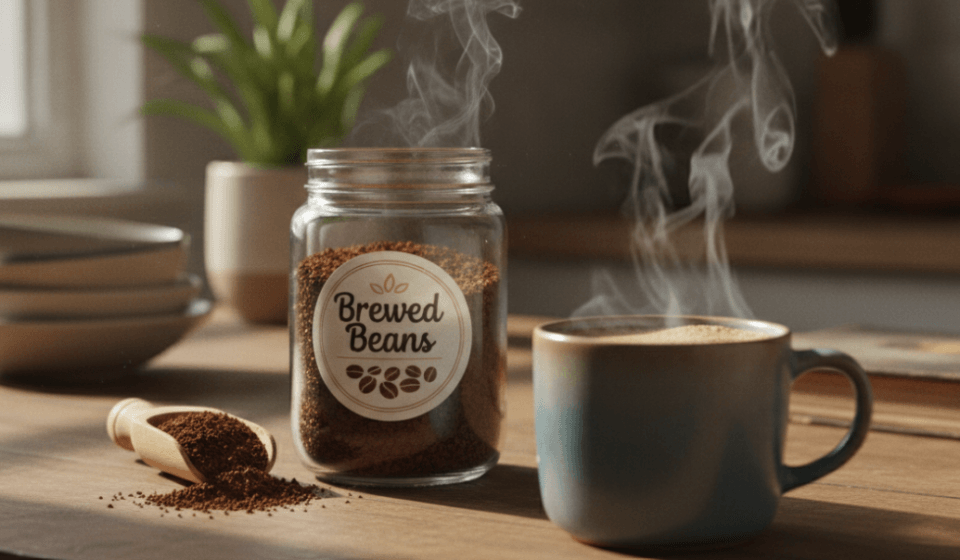
The fundamental rule of instant coffee storage is to keep it absolutely dry. Even a tiny amount of moisture can ruin an entire container. Always transfer opened coffee from its original packaging into a dedicated airtight container for superior protection against humidity.
Heat is another enemy of quality. Avoid storing your coffee near the stove, oven, or any other heat source. Keeping it in a cool, dark place will help maintain its flavor and freshness.
Choosing the Best Containers: Airtight and Dark Storage
When selecting a container, opt for glass, ceramic, or opaque plastic with tight-sealing lids. These materials are ideal for preserving freshness and flavor. An airtight container prevents air from entering, which can lead to staleness.
While some people suggest storing coffee in the refrigerator, it’s best to avoid this due to high humidity levels. Each time the container is opened, condensation can form, introducing moisture that affects quality.
Ideal Storage Locations: Pantry, Cupboard, and Avoiding Sunlight
The best place for your instant coffee is a cool, dark pantry or cupboard. This environment protects it from light and temperature fluctuations. Direct sunlight can degrade quality, even through tinted containers.
Using a clean, dry spoon to scoop out the desired amount is crucial. A wet or dirty utensil can introduce moisture and contaminants. Proper storage is the single most effective way to ensure every cup of instant coffee delivers the best flavor possible.
These simple storage practices require minimal effort but yield significant rewards in terms of extended freshness and enjoyable taste.
How Long Does Instant Coffee Last?
Have you ever thought about how long your instant coffee can last before it loses its charm? Understanding the shelf life of this convenient beverage is essential for enjoying its full flavor. Let’s explore how long instant coffee can last and what factors affect its longevity.
Unopened Instant Coffee Shelf Life
Unopened instant coffee can last for a significant amount of time, often ranging from 2 to 20 years. This wide range depends on the packaging and processing methods used. For instance, freeze-dried products tend to have a longer shelf life than those that are spray-dried.
The expiration date on unopened jars is typically a conservative estimate. With proper storage, many products remain good well beyond this date. Generally, you can expect unopened instant coffee to last up to two years from the date of manufacture.
Opened Instant Coffee: Recommended Usage Timeframe
Once opened, the recommended usage timeframe drops significantly. It is best to consume instant coffee within three to six months for optimal flavor. While opened instant coffee can technically last for years, the quality and taste will decline after the first few months.
In comparison, brewed coffee lasts only about 24 hours before its flavors begin to wane. Whole beans stay fresh for about a month after opening, making instant coffee a more durable choice.
This longevity makes instant coffee ideal for emergency kits, camping trips, or for those who enjoy coffee infrequently. Understanding the expiration date labels can help too. Remember, these dates refer to quality rather than safety. Sensory evaluation is your best guide when determining if your coffee is still good.
Proper storage plays a crucial role in how long your coffee lasts. A well-stored opened jar will outperform a poorly stored one every time. By grasping these timeframes, you can plan your purchases wisely and avoid unnecessary waste while enjoying a consistently good cup of coffee.
Extending the Freshness of Your Instant Coffee
To enjoy the best flavor from your instant coffee, consider these effective freshness strategies. One great option is using single-serve packets. These packets, like those from Flash Fuel Organic Instant Coffee, provide hermetically sealed portions. This means they remain untouched by air and moisture until you’re ready to brew.
Single-serve packets are perfect for travel, camping, or office use. They ensure that you get the best flavor every time without the hassle of repeatedly opening a larger container. This convenience is ideal for anyone who enjoys instant coffee but doesn’t drink it daily.
Using Single-Serve Packets for Convenience and Freshness
When you opt for single-serve packets, you eliminate the risk of exposure to air and moisture. Each packet stays sealed until you need it, preserving the rich aroma and flavor of your coffee. This method is a smart way to maintain freshness and enjoy a delightful cup every time.
Additional Tips: Avoiding Cross-Contamination and Heat Sources
For those using bulk containers, it’s crucial to avoid cross-contamination. Always use a completely dry and clean spoon when scooping out your instant coffee. This practice prevents moisture and contaminants from entering the container.
Be mindful of where you store your instant coffee. Avoid placing it near heat sources like stoves or ovens, as heat can degrade flavor. Also, keep it away from strong-smelling foods. Coffee can absorb odors even in a sealed container, which can compromise its taste.
Consider dividing a large container into smaller portions. This way, you can keep the main supply sealed while using a smaller container for daily access. While some suggest using the freezer for long-term storage, the risk of condensation makes a cool, dark pantry or cupboard a safer choice.
By following these strategies, you can significantly extend the usable life of your instant coffee. This ensures that every brew delivers a rich aroma and satisfying taste, making your coffee experience enjoyable.
Conclusion
Wondering how to make the most of your instant coffee experience? While this popular beverage may lose some quality over time, it remains safe to enjoy long after its expiration date. By following proper storage techniques, you can ensure a fresh cup whenever you need a caffeine boost.
Remember, the best-by date is merely a guideline for peak flavor, not a strict cutoff. Visual checks for mold or clumping are essential in assessing quality. Trust your senses—if your brew tastes flat, it might be time for a new container.
Store your instant coffee in an airtight container in a cool, dark place to maintain its aroma and flavor. For those who value convenience, single-serve packets offer an excellent way to enjoy freshness on the go.
Compared to ground coffee or brewed options, instant coffee provides remarkable shelf life and ease of use. With minimal effort, you can savor a satisfying cup that tastes fresh for months or even years. Apply these tips, and you’ll never question whether your instant coffee is still good enough to brew!
FAQ
How can I tell if my instant coffee is still good?
Check for changes in flavor and aroma. If it smells stale or tastes off, it may no longer be fresh.
What should I look for in terms of visual signs?
Look for clumping, mold, or any moisture in the container. These can indicate spoilage.
How does packaging affect the shelf life of my coffee?
The integrity of the packaging is crucial. An airtight seal helps keep moisture and air out, preserving freshness.
What environmental factors can impact my coffee’s quality?
Exposure to moisture, heat, and light can degrade the flavor and aroma of your coffee over time.
How should I store my instant coffee for the best results?
Store it in a cool, dark place, ideally in an airtight container to prevent moisture and heat exposure.
How long can I expect unopened instant coffee to last?
Unopened packets can last for several years, but for the best flavor, consume them within a year or two.
What about opened instant coffee? How long is it good for?
Once opened, it’s best to use it within 3 to 6 months for optimal flavor and quality.
Are single-serve packets a good option for maintaining freshness?
Yes, single-serve packets can help maintain freshness and reduce the risk of cross-contamination.
What additional tips can help extend the shelf life of my coffee?
Avoid exposing your coffee to heat sources and ensure that the container is always sealed tightly after use.