
Single-origin coffee has gained popularity among coffee fans. Unlike blends, single origin coffee uses beans sourced from a specific region, farm, or even a single lot. This one place traceability highlights unique flavors and stories. Coffee shops and online forums buzz about its taste—think fruity, floral, chocolatey, or even spicy notes you might not spot in blends. But alongside the flavor chatter, people are getting more curious about whether single origin coffee affects health in different ways.
What Does Single origin Coffee Mean?
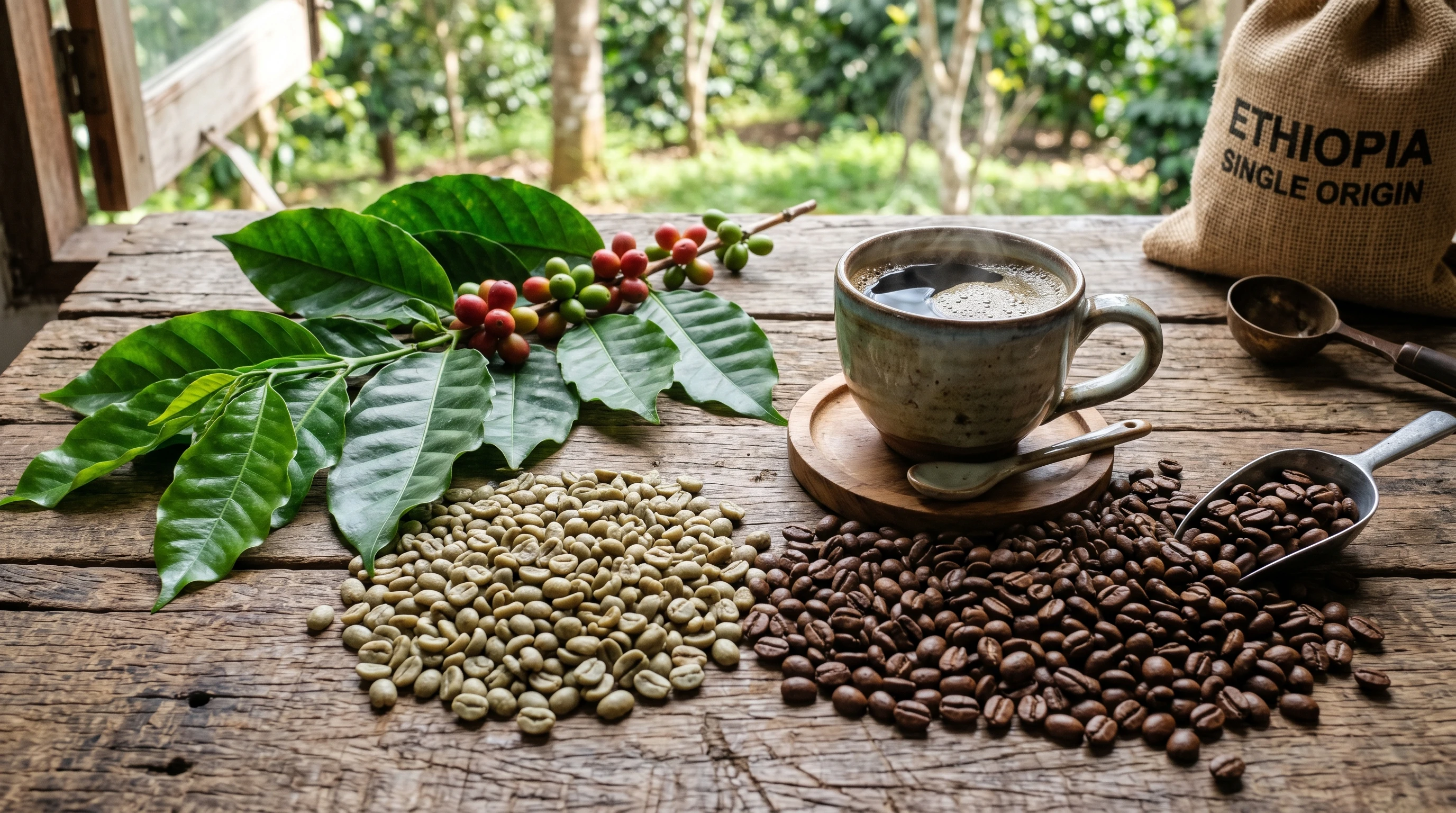
“Single origin” isn’t just marketing talk—it means coffee beans can be traced directly to a single location. This could be a country like Ethiopia, a smaller spot such as Colombia’s Huila, or an individual farm. Slight changes in climate, soil, and how farmers care for their crops often turn up in the coffee’s flavor and aroma. For the health-minded, knowing exactly where your coffee comes from is a big draw, offering more transparency about farming methods, pesticides, and harvest timing.
Health Benefits of Single origin Coffee
Many people are curious if single-origin coffee brings extra health benefits. The main perks of coffee in general—antioxidants, sharper mental alertness, and possible reduced risk of certain diseases—still apply. But a few aspects of single-sourced beans might give a boost to your health choices:
- Purer Flavors, Fewer Additives: Coffee from smaller farms gets more individual attention. There’s a smaller chance of contamination and fewer unwanted chemicals, giving you a cleaner cup from start to finish.
- Higher Antioxidant Levels: Specialty, fresh-roasted single origin coffees often start with top quality beans. That preserves more of the natural antioxidants, like chlorogenic acids, which could help fight inflammation and protect your cells.
- Lower Risk of Mold or Mycotoxins: Small batch growing and processing means farmers can keep an eye on the beans, toning down the risk of mold and the mycotoxins that bother some drinkers.
- Traceability for Allergies: If you struggle with sensitivities or allergies, knowing a coffee’s exact source makes managing your health easier. With less mixing from multiple sources, you’re less likely to stumble upon beans exposed to something unwanted.
- Better Farming Practices: Plenty of single origin coffees are grown using sustainable or organic practices, which means fewer chemicals for you, a boost for the environment, and often better working conditions for farmers.
Potential Health Risks of Single origin Coffee
While single origin coffee has plenty of positives, some drawbacks exist. Here’s what to watch for:
- Caffeine Content: Beans from higher elevations can pack more caffeine. Knowing the farm doesn’t always mean the coffee is organic. Some single origin beans could still have pesticide or fertilizer residue. Looking for certifications like organic or Fair Trade helps if that matters to you.
What Sets Single origin Apart from Blended Coffee?
The conversation between single origin and blended coffee is about more than taste. It touches on consistency, sourcing, and health. Here’s why single origin stands out health-wise:
- Transparency: Single origin beans are easier to track from farm to cup; you’ll know more about how your coffee was grown. That’s great for those looking to avoid particular chemicals or hoping for ethical sourcing details.
- Quality Control: With fewer beans in a batch, farmers or roasters can give a once-over to spot defects, ditching any lower quality beans that might bring in mold or chemical traces. Blends often mask those issues.
- No Sneaky Ingredients: Many mass market coffee blends use fillers or flavors to balance taste. Single origin beans usually skip the extras, letting the bean’s natural character shine through.
How Processing and Roasting Impact Health
The bean’s trip from farm to cup makes a difference in health benefits, too. Processing methods like washed (wet), natural (dry), and honey can change both taste and chemical makeup:
- Washed Processing: Beans are stripped of their fruit before drying. This can reduce mold risk and step up the coffee’s clean taste.
- Natural Processing: Beans dry inside the fruit, which may add natural sweetness and fruity vibes, but comes with a higher risk of mold if not done carefully.
Roasting is also key. Lighter roasts hold onto more antioxidants, but darker roasts tend to be gentler on the stomach for some folks. Freshness counts—a fresh roast keeps flavors and antioxidants stronger, while stale beans can lose nutrients and even grow mold during long storage.
Choosing the Right Single origin Coffee for Your Health
The “best” single origin is a mix of your flavor style and your health needs. Here’s my usual checklist:
- Check for Freshness: Choose trusted roasters who display roast dates. Fresher coffee locks in flavor and nutrition.
- Look for Certifications: Want to skip chemical residue? Go for beans with organic, Fair Trade, or Rainforest Alliance labels. These also usually mean fairer conditions for workers.
- Ask About Processing: Sensitive to acid or mold? Pick washed processed beans roasted on the medium dark side.
- Read Up on Altitude: Coffees grown up high tend to be more acidic and electric in flavor; those grown lower are often smoother and milder. Match this to your stomach and taste buds.
Things to Keep in Mind When Sipping Single origin Coffee
Single origin doesn’t always mean it’s the best option for everyone. Here are my quick reminders:
- Watch Your Intake: Too much coffee is still too much—especially when smooth, bright flavors make you want a refill. Lighter single origins can go down easy, but the caffeine still adds up.
- Consider What You Add: Cream, sugar, or syrups mask coffee’s basic health perks. If you want the original benefits, try it black or just barely sweetened for balance.
- Listen to Your Body: Coffee hits everyone differently. Heartburn, jitters, or stomach upset? Switch up your region or try another roast.
Common Questions about Single origin Coffee and Health
Here’s a quick FAQ with some of the top questions I get:
Question: Is single origin coffee always healthier than regular blends?
Answer: Not every time. The health edge comes down to how it’s grown, processed, roasted, and brewed. Single origin helps with transparency, but top benefits come from quality and freshness more than just where it’s from.
Question: Does single origin coffee have more caffeine?
Answer: Sometimes, but not always. Beans from some regions or higher altitudes do have more caffeine. If you’re keeping an eye on your caffeine, check details from your roaster or see how you feel after a cup.
Question: Are there risks of mold or pesticides in single origin coffee?
Answer: Lower risk if the farm uses good growing and storage practices, but no guarantee. Certifications and buying from picky roasters helps. Mold issues can also pop up from poor processing or old storage.
Question: Does single origin coffee cause stomach issues?
Answer: Some folks find lighter single origin coffees, especially from African regions, more acidic. If acid is a problem, aim for a mellow, darker roast from a lower altitude farm.
Why I Go for Single origin Coffee
Single origin coffee gives you transparency, next-level cool flavors, and a direct connection to the farm or region in your mug. The major health bonuses line up with general coffee advice—antioxidants and alertness—but knowing exactly where your beans began can mean less hidden chemical residue and more control over what you drink. It won’t make you invincible, but it sure is a great pick if taste and informed choices matter to you. For the best cup, look for a roaster you trust, ask questions, and see which beans hit the spot for you.