


Brewing coffee at home is a daily ritual for many people, and it just feels good to have that fresh cup in the morning. But I often get asked whether making coffee at home has any kind of carbon footprint. The answer is yes. Every method of brewing coffee uses some energy and resources, and that means there’s some carbon impact involved. If you’re curious about what factors contribute to that footprint, and what you can do to shrink it, I’ve got you covered here.
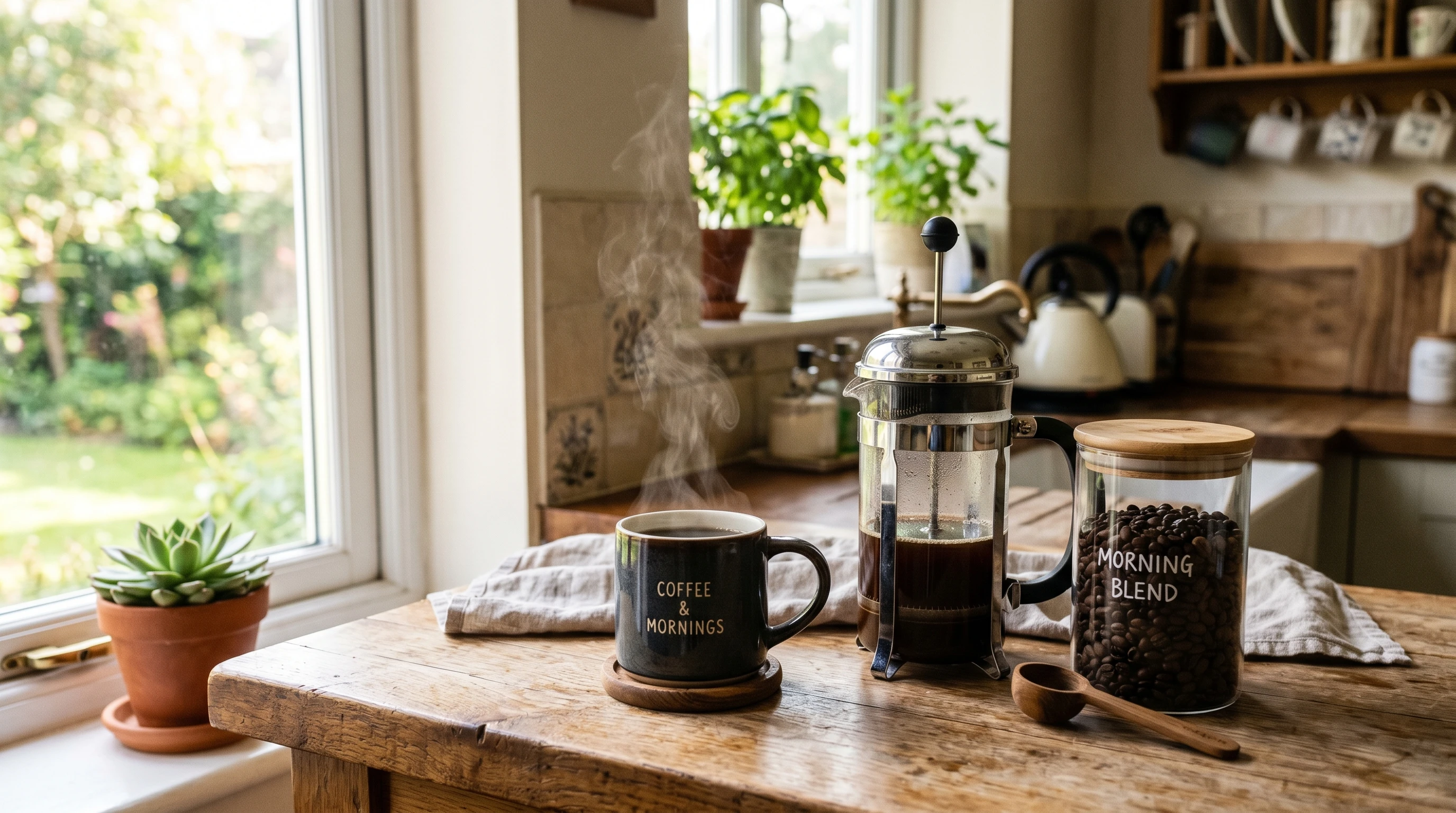
Where Carbon Footprint Comes From in Home Coffee Brewing
Making coffee at home sounds pretty simple: just water, coffee, and heat. But when I started breaking it down, I realized there are a handful of steps where energy gets used and greenhouse gases get released.
The biggest places carbon sneaks in during home coffee brewing are:
- Coffee production and transport: Growing, processing, and shipping coffee beans from the farm to your home.
- Grinding coffee beans: Using either a manual grinder (less carbon) or an electric grinder (more carbon).
- Heating water: This step often eats up the most household energy, especially if you use an electric kettle, stovetop, or a single-cup pod machine.
- Brewing equipment: Machines can use energy to brew and standby energy even when not actively in use.
- Packaging and waste: How you buy your coffee (whole beans, ground, pods) and how you dispose of the leftovers.
Every home brewing method is a bit different, so the exact carbon footprint for your daily brew depends on your gear, the source of your beans, and your habits.
Main Contributors to Your At-Home Coffee’s Carbon Footprint
I find it useful to break down the carbon footprint into specific contributors you actually have some control over. These include the type of coffee you buy, how you heat your water, what brewing method you choose, how you manage your waste, and how often you clean or replace your machines.
Coffee Beans: Where and How They’re Grown
The adventure of coffee beans starts long before they reach your kitchen. Most coffee is grown in tropical countries and shipped thousands of miles. Growing coffee often requires chemical fertilizers, water, and deforestation, which ramp up emissions. Shipping beans by boat, train, and truck adds more emissions to each bag you buy.
If you pick beans with certifications like Rainforest Alliance, Fair Trade, or organic labels, or buy from local roasters that source more responsibly, you can help lower the indirect carbon footprint of your coffee habit.
Grinding: Manual or Electric?
Electric grinders use a bit of power each time you grind fresh beans. It’s a small amount compared to heating water, but every little bit adds up over a year. Manual grinders, on the other hand, require a little elbow grease but almost no carbon output during use.
Heating Water: The Biggest Energy Use
Boiling water for coffee is usually the biggest energy draw across most brewing routines. Whether you use an electric kettle, a stovetop kettle, or a pod machine, energy comes from your home grid, which could be powered through coal, natural gas, or renewables. Electric kettles are pretty efficient, but they still pull a decent amount of energy, especially when overfilled. Heating only the water you need helps cut down on unnecessary energy waste. Also, using a kettle with a thermal base or insulation keeps your water hot with less energy, further reducing the load.
Brewing Method Matters
Pour over, French press, drip coffee machines, and pod brewers each have their own quirks. Drip coffee makers and single serve pod machines use electricity, sometimes not just for brewing but also for keeping water hot all day. Manual brewers like French press or pour over use less direct energy but still need hot water. Each method’s sustainability also depends on longevity: manual brewers tend to last longer and have fewer parts that can break, reducing waste from discarded appliances.
Packaging, Pods, and Leftovers
Coffee pods and single serve capsules make brewing easy, but all those plastic and aluminum shells really stack up in landfills. In contrast, buying whole beans in bulk (especially in recyclable or compostable packaging) means less packaging waste per cup. Composting used coffee grounds instead of tossing them in the trash also shrinks your carbon footprint a bit. Used grounds can even help fertilize your plants. Worth it!
A Quick Guide to Reducing Your Coffee’s Environmental Impact at Home
If you’re interested in shrinking the carbon footprint of your coffee routine, here are some practical shifts you can make. I’ve found these steps actually make a difference without making you swear off your morning cup.
- Boil Only What You Need: Fill your kettle with the exact amount of water you’ll use, not a drop more. This simple habit can save a lot of energy if done daily.
- Switch to Renewable Energy (if possible): If your local utility offers renewable energy plans or you have home solar, that makes your electric powered brewing much cleaner.
- Use a Manual Brewing Method: Try French press, AeroPress, or pour over with a manual grinder for less energy usage. Plus, I find they taste great!
- Choose EcoFriendly Beans: Look for fair trade, organic, or shade grown beans to support sustainable farms and reduce environmental impact.
- Skip the Pods and Go Bulk: Buy coffee in larger, recyclable, or refillable containers for less waste.
- Compost Grounds and Recycle Packaging: Used coffee grounds are pretty handy as garden compost; paper filters can sometimes go in the compost bin too.
- Maintain Your Gear: A clean coffee machine, free of limescale and old grounds, runs more efficiently and lasts longer.
Even just doing a couple of these can noticeably reduce your at-home cup’s carbon impact over time.
Common Questions About Coffee’s Carbon Footprint
Curiosity about the impact of coffee brewing is growing, especially as people try to live a bit lighter on the planet. Here are the questions I hear most often, along with some straightforward answers.
Does home brewing have a smaller carbon footprint than buying from a café?
On average, yes, brewing at home generally uses less energy per cup compared to buying from coffee shops, especially since with takeout you often add on the impact of disposable cups, lids, and shop operations in the equation.
Which home brewing method is the best for the planet?
Methods like French press and pour over tend to be lower energy if you pair them with an efficient kettle. Single serve pods are generally higher in both energy use and packaging waste. For the lowest impact, boil only the water you need and avoid disposable filters or capsules.
What difference does composting grounds actually make?
Composting used grounds keeps them from landfills, where they would break down and give off methane (a pretty powerful greenhouse gas). While it’s not going to change the world on its own, composting is a simple, good move if you already compost at home.
Is there a difference in carbon footprint between instant, ground, and whole bean coffee?
Instant coffee actually tends to have a lower carbon footprint per cup since it uses less coffee to make a single serving, though it’s more processed. Whole beans and fresh grinding need slightly more energy, but for some people, it’s worth it for the flavor. Either way, how you power your gear and manage your waste makes a bigger difference than the grind style.
Practical Tips for Everyday Coffee Drinkers
Some easy wins for making your coffee habit a bit greener include buying in bulk, skipping disposable cups for a reusable mug even at home, and keeping an eye on coffee to water ratios (avoiding wasted grounds or water). For those really wanting to geek out, tracking your home energy use for a week with and without daily coffee brewing is an eye opener.
- Bulk beans: Reduce packaging and shipping frequency, cutting overall resource use.
- Smart water use: Smaller, more precise boils save energy and prevent waste.
- Keep your equipment clean: It runs better and lasts longer, saving money and resources over time. Staying diligent with cleaning also ensures consistently great flavors.
Once you see how easy it is to tweak your coffee ritual, even small changes can lower your at-home carbon impact. Plus, there’s something satisfying about sipping a cup that lines up with your values and supports a healthier planet.
Takeaway
Every home brewed cup of coffee leaves a carbon footprint, but most of it comes down to energy used for heating water, how beans are grown and transported, and the packaging choices you make. Brewing at home is generally lighter on the planet than buying coffee out, and with a few tweaks, you can make your daily habit much more sustainable. Paying attention to the beans you buy, the method you use, and your water use can make that morning brew a bit more environmentally friendly, all while still tasting great. It’s easier than you might expect to let your morning coffee routine reflect the values you care about.