
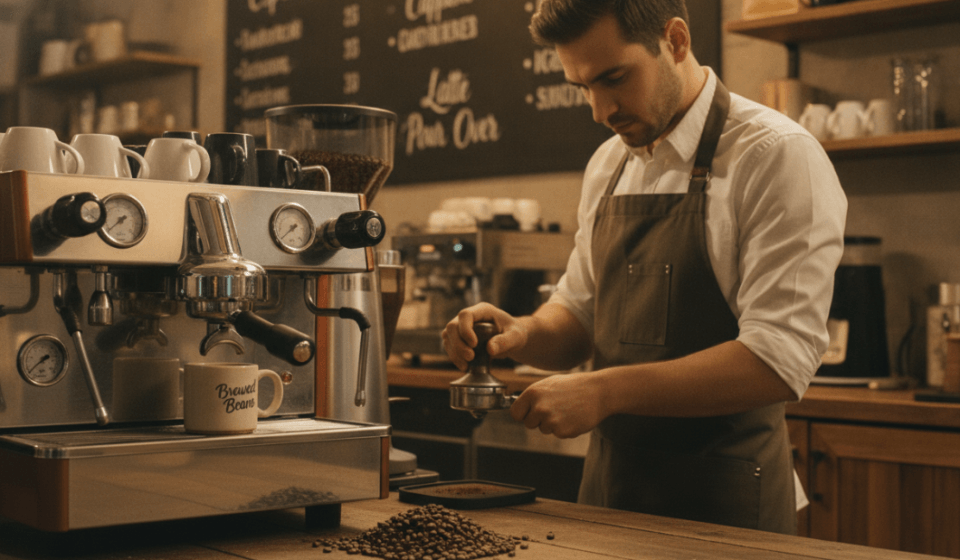
Best Coffee Brewing Techniques for Espresso Explained

Imagine waking up to the rich aroma of freshly brewed coffee. It’s more than just a drink; it’s a ritual that brings warmth and comfort to our mornings. The experience of enjoying a well-crafted espresso shot can transform an ordinary day into something extraordinary. This guide aims to illuminate the intricate world of espresso, where every detail matters.
Espresso is the pinnacle of coffee experiences, demanding precision and skill. From the moment hot water meets finely ground coffee, a magical process begins. This guide will help you navigate through essential principles and advanced methods, ensuring that each shot you pull is a step towards perfection.
Whether you’re a novice or a seasoned home barista, understanding the nuances of espresso brewing can elevate your coffee ritual. You’ll discover the significance of factors like grind size, tamping pressure, and water quality. By the end of this journey, you’ll be equipped to pull espresso shots that rival your favorite café.
Key Takeaways
- Espresso offers the most concentrated coffee experience available.
- This guide covers fundamental principles and advanced methods.
- Attention to detail is crucial in the espresso brewing process.
- Understanding the “four M’s” is essential for successful brewing.
- Common challenges in espresso brewing can be effectively addressed.
- Technical parameters are explained in an accessible manner.
Understanding Espresso: The Ultimate Coffee Experience
Crafting a perfect espresso shot is an art that captivates coffee lovers. It is essential to understand what makes espresso stand out among other methods of preparation. This concentrated format of coffee is not just a drink; it’s a rich experience that requires skill and attention.
Espresso is fundamentally different from every other coffee method. It uses intense pressure—typically 9 bars or approximately 150 psi—to force hot water through finely ground coffee in seconds. The result is a small but intensely flavorful drink, typically 30 ml for a single shot or 50-60 ml for a double shot. A characteristic layer of crema on top indicates proper extraction.
Unlike drip coffee or French press, where water and coffee grounds interact for minutes, espresso extraction happens almost instantly. This rapid process makes every variable critically important to the final taste. The concentration of espresso amplifies both the best and worst qualities of your coffee beans. Careful technique is rewarded, while sloppiness can ruin the experience.
Home baristas aiming to brew espresso like a pro must recognize that this skill develops over time. Professional baristas often pull hundreds of shots before achieving consistency. The user intent behind home espresso brewing typically combines a love for coffee with a desire for a hands-on, craft-oriented morning ritual that produces café-quality results.
Many home brewers are surprised to learn that espresso is actually a more wasteful method compared to pour-over or drip. It uses approximately 18 grams of ground coffee to produce just 36 grams of liquid. However, the journey to mastering espresso at home requires an investment in both equipment and education. The payoff is an unparalleled coffee experience that no other brewing method can replicate.

Essential Ingredients and Equipment for Espresso Brewing
The journey to exceptional espresso begins with selecting the right ingredients and equipment. Understanding the key components will set you up for success in crafting the perfect shot. Here’s what you need to know.
Choosing the Right Coffee Beans and Freshness
Selecting the right coffee beans is crucial. Focus on roast levels—medium to dark roasts are ideal for espresso. They provide a balanced shot with rich body and lower acidity.
Freshness is non-negotiable. Use coffee beans within two to four weeks of their roast date for optimal flavor. Always grind whole beans immediately before brewing to capture their full potential.
Espresso Machines and Grinders: What You Need to Know
The espresso machine is the centerpiece of your setup. Modern machines, even those priced around $400, often feature PID temperature controllers. These maintain brewing temperature within 1°F of the target, ensuring consistency.
A quality burr grinder is arguably more important than the espresso machine itself. It provides a consistent grind size, which is essential for even extraction and a balanced shot. Avoid blade grinders; they produce uneven particle sizes, leading to over-extraction and under-extraction.
Make sure your grinder, or macinadosatore, can produce the ultra-fine particles required for espresso. Not all grinders achieve this level of precision.
The Importance of Water Quality and Temperature
Water quality is often overlooked but is the fifth element of great espresso. Use filtered water free from chlorine and excessive minerals. This protects both your equipment and the taste of your drink.
Brewing temperature is also critical. Water at 90-95°C extracts the ideal balance of oils, acids, and aromatic compounds from the ground coffee. Temperature instability can lead to inconsistent shots.

The Four ‘Ms’ (and the Fifth): Key Factors in Espresso Brewing
Mastering the art of espresso involves understanding several key factors. These elements, known as the four Ms, plus a fifth, are essential for achieving a remarkable shot. They honor the traditional Italian approach while making it accessible for the modern American home barista.
Mana: The Barista’s Skill and Experience
Mana represents the human element in espresso brewing. It embodies the barista’s skill, experience, and intuition developed through countless shot pulls. Even with the finest equipment, the quality of the shot ultimately relies on the barista’s hand in dosing, distributing, tamping, and timing.
Macchina: The Espresso Machine
Macchina refers to the espresso machine itself. A well-maintained and calibrated machine is crucial for delivering consistent pressure and temperature. A clean machine is non-negotiable; old coffee oils and residue in the portafilter and grouphead can impart bitter flavors, ruining even the freshest coffee.
Macinadosatore: The Grinder’s Role
Macinadosatore elevates the grinder to equal importance with the machine. Espresso demands an extremely precise and consistent grind, achievable only with a quality burr grinder. The grinder must produce uniform particles, allowing water to flow evenly through the coffee puck at the correct rate.
Miscela: Coffee Blend and Beans
Miscela emphasizes the coffee blend itself. Perfect technique cannot compensate for stale or low-quality beans. Fresh coffee is vital for a rich flavor, so choose high-quality, well-roasted coffee to ensure a great shot.
Plus One: Water and Its Impact
The fifth element, water, significantly impacts every aspect of espresso. Good filtered water is essential, influencing extraction chemistry and equipment longevity. Investing in quality water is not optional; it is crucial for achieving the best espresso possible.

Best Coffee Brewing Techniques for Espresso: Step-by-Step Guide
Creating a delightful espresso shot requires careful attention to every step of the process. Each phase plays a crucial role in achieving that perfect balance of flavor and aroma. Here’s a clear guide to help you master the art of espresso.
Preparing the Portafilter and Coffee Grounds
Start by preheating your portafilter and espresso cup. A shot of espresso is only 30-60 ml and loses heat quickly when it touches cold surfaces. This can compromise both temperature and flavor.
Next, dose your ground coffee into the portafilter basket using a scale for precision. A typical double shot begins with 18 grams of coffee. Consistency in dosing is essential for repeatable results.
Grinding and Distribution Methods
Utilize the Weiss Distribution Technique. This involves gently stirring the coffee grounds with a fine needle or toothpick. This breaks up clumps and ensures uniform density throughout the coffee puck before tamping.
Proper distribution of coffee grounds in the portafilter basket prevents channeling. Channeling occurs when water finds paths of least resistance through the puck, leading to uneven extraction.
Using the Tamper Correctly and Consistently
Tamping must be performed with consistent pressure—approximately 30 pounds of force. Hold the tamper perfectly level to create a flat, even coffee puck surface. An uneven tamp causes water to flow preferentially through one side of the puck.
This results in a shot that is over-extracted in some areas and under-extracted in others, affecting the overall flavor.
Extracting the Espresso Shot: Timing and Pressure Control
The extraction phase is where all your preparation pays off. A properly pulled double shot espresso should yield approximately 36 grams of liquid in 25 to 30 seconds.
Watch the shot as it extracts. The stream should start with a few dark drops, transition to a steady, syrup-like flow with golden crema, and be stopped before the stream becomes pale and watery.
Mastering Key Technical Parameters in Espresso Brewing
Understanding the technical aspects of espresso brewing is essential for achieving a perfect shot. Four main parameters—pressure, temperature, grind size, and shot duration—interact to create the ideal flavor profile. Let’s explore these factors in detail.
Understanding Pressure: The Role of 9 Bars
Espresso famously uses 9 bars of pressure to force water through a condensed puck of coffee. This pressure is approximately 130 psi, nearly three times that of home plumbing. However, great-tasting espresso can also be made with just 5 or 6 bars. This flexibility allows for different flavor profiles that some baristas prefer for specific beans.
Temperature Control and Its Significance
Temperature control has evolved dramatically in espresso machines. Older models could vary by as much as 10°F between shots. In contrast, modern machines equipped with PID controllers maintain temperature stability within 1°F. The ideal brewing temperature is between 90-95°C. Even slight deviations can dramatically affect extraction. Too hot results in bitter shots, while too cool yields sour flavors.
Grind Size and Its Effect on Extraction
Grind size is the most frequent adjustment home baristas make. It directly controls the flow rate of water through the coffee puck. A grind that is too fine can choke the machine, producing almost no liquid in 30 seconds. Conversely, a grind that is too coarse allows water to rush through in 15 seconds or less, yielding a thin, sour shot. Dialing in the right grind size is crucial for a balanced extraction.
Shot Duration and Yield: Single vs Double Shots
The shot duration for a standard double shot should fall between 25 and 30 seconds. The first drops should appear after approximately 5 to 8 seconds of pre-infusion. Yield ratios also matter; they typically range from 1:2 for a traditional double shot to 1:3 for a longer extraction known as a lungo. Monitoring these parameters helps ensure a rich and satisfying espresso experience.
Tips for Perfecting Your Espresso Shot at Home
Achieving café-quality espresso at home is a journey that combines knowledge, skill, and practice. To elevate your espresso game, focus on a few key areas that can significantly impact your results.
Preheating Your Cups and Portafilter
Temperature plays a crucial role in espresso preparation. Preheating your espresso cup is not optional—a 30 ml shot at 93°C poured into a room-temperature porcelain cup can lose 10-15°C almost instantly. This drastic temperature drop can alter the flavor profile before you take your first sip.
Stick to porcelain; it is the best material for holding espresso. It retains heat effectively and presents a clean surface that doesn’t interfere with flavor.
Maintaining Your Equipment for Consistency
Regular equipment maintenance is essential for consistent espresso. Coffee oils build up on the dispersion screen, portafilter basket, and grouphead, becoming rancid and tainting every shot they touch. Keeping your machine clean will help ensure each shot is as good as the last.
Practicing to Find Your Machine’s Sweet Spot
Finding your specific machine’s sweet spot requires patience and systematic experimentation. Professional baristas often pull 500 or more shots on a new machine before they feel fully comfortable with its quirks. Take the time to understand how your machine operates.
Monitoring Extraction and Taste for Adjustments
Pay close attention to the visual cues during extraction. Look for the color transition from dark brown to golden crema and the steadiness of the stream. These indicators can help you identify any signs of channeling or spurting that indicate uneven flow.
Taste every shot you pull, even the failures. Your palate is the ultimate calibration tool. Learn to identify sourness as under-extraction and bitterness as over-extraction. Balance is your target.
Common Challenges in Espresso Brewing and How to Overcome Them
Encountering obstacles is part of the espresso journey for many home brewers. Understanding these challenges can help you improve your skills and enjoy a better coffee experience. Here are some common issues and how to tackle them effectively.
Dealing with Channeling and Uneven Extraction
Channeling is a frequent problem that arises during espresso preparation. It occurs when water finds paths of least resistance through the coffee puck, leading to uneven extraction. Signs of channeling include:
- Uneven streams from the portafilter.
- Pale spots in the used coffee puck.
- A shot that tastes both harsh and weak.
To combat channeling, implement the Weiss Distribution Technique. This method involves using a fine needle to stir and declump the coffee grounds in the portafilter basket before tamping. This simple adjustment can lead to a more uniform extraction.
Handling Bitter or Sour Tastes
Another common frustration is achieving the right taste. A bitter, harsh, or ashy flavor in your espresso shot often indicates over-extraction. This can be corrected by:
- Coarsening the grind size.
- Reducing the shot duration.
- Lowering the brewing temperature slightly.
Conversely, a sour, sharp, or salty taste points to under-extraction. To remedy this, try:
- Using a finer grind.
- Lengthening the shot time.
- Ensuring that your portafilter and grouphead are fully preheated before brewing.
Equipment Limitations and Troubleshooting
Every espresso machine has its limitations, which can be frustrating. Entry-level machines may struggle with temperature stability or pressure consistency. Understanding these limitations can help you work around them. Regular maintenance is crucial. Descaling and backflushing with appropriate cleaning products can prevent the buildup of mineral deposits and coffee oils that degrade performance.
When troubleshooting, remember to change only one variable at a time. Adjust the grind size, dose, or temperature, but avoid altering multiple factors simultaneously. This way, you can clearly identify what adjustments lead to improvements.
Comparing Espresso with Other Coffee Brewing Methods
Exploring different coffee methods reveals a world of flavors and experiences. Each brewing technique offers unique characteristics that cater to various preferences. Here, we’ll compare espresso with popular methods like pour-over, French press, and Moka pot.
Espresso vs Pour Over, French Press, and Moka Pot
Pour-over coffee excels at highlighting the nuanced flavors of single-origin beans. This method produces a clean, complex cup with pronounced acidity and clarity. In contrast, espresso’s intensity can sometimes mask these subtleties.
The French press, on the other hand, relies on a mesh filtration screen. This allows more oils and sediment into the cup, resulting in a full-bodied, rustic drink. While it may lack the vibrancy of other methods, it offers a heavier mouthfeel.
The Moka pot is often described as the poor man’s espresso machine. It produces a strong, concentrated coffee with some crema-like foam. However, it lacks the pressure-driven extraction and finesse of true espresso.
Espresso is significantly more expensive than any other brewing method. The cost of a quality machine, a capable grinder, and the higher coffee bean doses per serving adds up quickly. A double shot espresso typically follows an “18 grams in; 36 grams out” formula. In contrast, you could brew a full 280 ml mug using the same amount of beans with a pour-over or drip method.
When to Choose Espresso and When to Opt for Other Methods
Choose espresso when you want an intense, concentrated coffee experience. It’s also the go-to for those who enjoy milk-based drinks like lattes and cappuccinos. If you’re ready to invest time in developing a craft-based hobby, espresso is ideal.
On the other hand, opt for pour-over or French press when you need to brew coffee for multiple people. These methods are perfect for those who prefer a larger volume drink or want a simpler, more forgiving morning routine.
The Moka pot occupies a middle ground. It offers espresso-like strength without the steep learning curve and financial investment of a full espresso setup. This makes it an excellent gateway for curious coffee lovers.
Conclusion
Mastering the art of espresso is a fulfilling journey that rewards patience, practice, and attention to detail. Each shot you pull offers valuable lessons about your equipment and coffee beans. This guide equips you with the knowledge to improve your technique and elevate your experience.
Remember, consistency in your approach is key. Whether you’re pulling your first shot or your five hundredth, embrace the process. Each attempt brings you closer to that elusive perfect espresso.
While the journey may require time and effort, the satisfaction of crafting a rich, complex shot in your own kitchen is truly worth it. Approach this adventure with curiosity and enjoy every moment of your espresso journey.
FAQ
What is the ideal grind size for espresso?
The perfect grind size for espresso is fine, resembling table salt. This allows for optimal extraction during the brewing process.
How long should an espresso shot take to extract?
A standard espresso shot should take between 25 to 30 seconds to extract. This timing ensures a balanced flavor profile.
What pressure is required for brewing espresso?
Brewing espresso typically requires a pressure of 9 bars. This pressure is essential for achieving the right extraction and crema.
How can I tell if my espresso shot is well-extracted?
A well-extracted shot will have a rich, golden crema on top, with a balanced flavor that is neither too bitter nor too sour.
What is the difference between a single and double shot of espresso?
A single shot uses about 7-9 grams of ground coffee, while a double shot uses 14-18 grams. The double shot offers a stronger flavor and more caffeine.
How important is water quality in espresso brewing?
Water quality is crucial as it affects the taste and extraction. Ideally, use filtered water free from impurities and with balanced mineral content.
What role does the tamper play in making espresso?
The tamper compresses the coffee grounds evenly in the portafilter, ensuring uniform extraction and preventing channeling during brewing.
How can I improve my espresso-making skills at home?
Practice consistently, experiment with grind size, pressure, and timing, and maintain your equipment to achieve better results over time.
What should I do if my espresso tastes bitter?
Bitter flavors can result from over-extraction. Adjust the grind size to be coarser, reduce brewing time, or check the tamping pressure.
How can I troubleshoot uneven extraction in my espresso?
Ensure even distribution of coffee grounds in the portafilter, check your tamping technique, and consider adjusting your grind size for consistency.