

Brewing premium coffee at home can be both satisfying and surprisingly straightforward once you understand what goes into crafting a truly stellar cup. Coffee lovers everywhere are searching for ways to take their daily brew to the next level. Good news: premium coffee isn’t strictly reserved for high-end cafes. I’ll take you through the basics and some next-level tips so your home coffee game gets way closer to café quality.
Choosing the Right Coffee Beans
Premium coffee always starts with quality beans. The single biggest upgrade for at-home brewing is getting your hands on freshly roasted, specialty grade beans. With so many options out there, the process of picking beans might seem a little overwhelming.
The key specs to check are roast date, origin, and variety:
- Roast Date: Fresh is best. Coffee starts losing flavor about two weeks after roasting—so always check for that date and aim for recently roasted blends.
- Origin: Singleorigin beans typically offer more distinctive, interesting flavor profiles, while blends offer balance and consistency.
- Variety: Beans like Ethiopia Yirgacheffe or Colombia Geisha are popular for complex flavors, but almost any region has gems worth checking out.
Try out a few different origins and roasts to find what makes your taste buds happiest. Buying from a local specialty roaster is a great way to ensure freshness and support your local coffee scene.
When starting your premium coffee adventure, don’t be afraid to ask about each batch’s tasting notes or to chat with your local roaster. Many coffee pros love sharing their knowledge and often provide samples, which can help you spot the difference between ordinary and truly special selections.

Essential Equipment for Brewing Premium Coffee
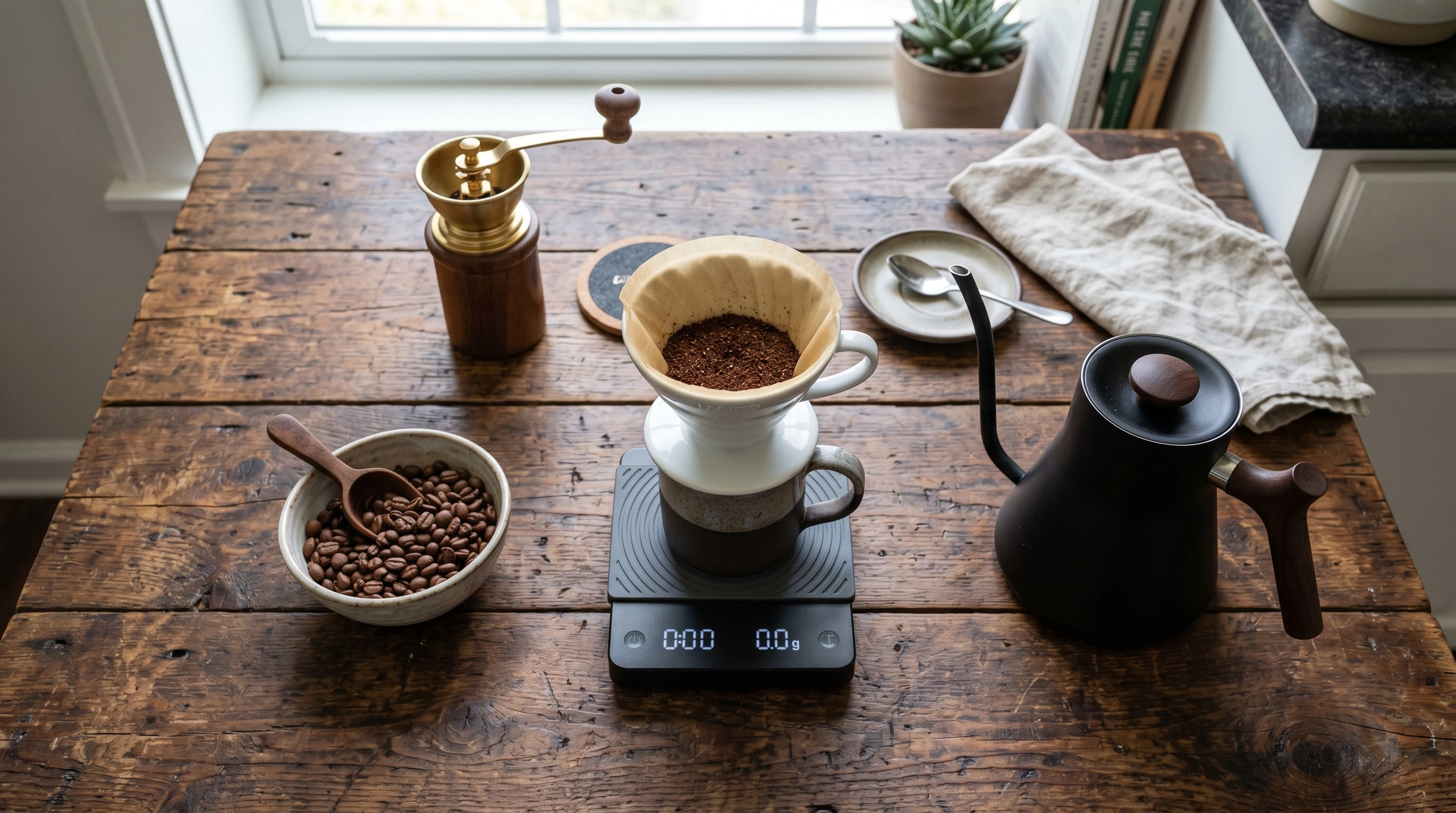
Investing in the right tools makes a big difference. Here’s a roundup of gear that takes your brewing from average to premium:
- Burr Grinder: Freshly ground coffee always tastes better than preground. Burr grinders provide consistent particle sizes, leading to more even flavor extraction during brewing.
- Digital Scale: Weighing your coffee and water keeps your ratios spot on, improving repeatability every time you brew.
- Kettle with Gooseneck Spout: This style of kettle gives you great control, especially for pourover and manual brew methods.
- Brewer of Choice: French press, pourover, AeroPress, and espresso machines are all solid options depending on your favorite style of coffee.
- Filtered Water: Good coffee needs clean water. Hard tap water or chlorineheavy city water can mess with your flavors. Use filtered water if you can.
None of these tools need to break the bank, but having the basics covered makes it easy to get the most out of your beans. Even a reliable inexpensive kettle or hand grinder can give a big boost to your results.
Step-by-Step Guide to Brewing Better Coffee
Nailing down a solid brewing process is the backbone of premium coffee. Here’s an easy workflow you can use with pretty much any brewing method:
- Measure Your Coffee and Water: A common starting ratio is about 1:16 (one part coffee to sixteen parts water). So, for one cup (about 300g water), aim for 18–20g of coffee to begin and adjust as needed.
- Grind Just Before Brewing: Coffee oxidizes fast once ground. Grind your beans right before brewing to lock in that fresh flavor and keep things tasting eye-catching every time.
- Match Your Grind Size: Each brewing method needs a different coarseness: French press calls for a coarse grind, pourover works best with a medium texture, and espresso is super fine.
- Perfect Your Water Temperature: Water that’s too hot or too cool will mess with extraction. The sweet spot is between 195°F and 205°F (90°C and 96°C).
- Bloom the Grounds: When brewing methods allow it (like pourover), pour a little bit of hot water over your grounds and let them sit for 30 seconds. This lets carbon dioxide escape and helps the coffee brew more evenly for truly flavorful results.
- Even Saturation: When pouring water, especially with pourover, aim for slow and steady circular motions for even extraction every time.
- Brew Time: Adjusting how long the water stays in contact with the coffee changes flavor. Too quick and it’s sour; too long and it’s bitter. A typical range is 2–4 minutes, but every method and recipe is a little different.
With a few tweaks and practice, it’s amazing how much your cup can improve by just paying attention to these basics. Over time, learning to spot small differences in aroma and taste will make each brew session more rewarding.
Common Brewing Challenges and How to Fix Them
Even seasoned home brewers run into a few universal problems. Here’s a breakdown of typical issues and some fixes to keep you making great coffee:
- Bitter Coffee: This usually means overextraction. Try using a coarser grind, shortening your brew time, or checking that your water isn’t too hot.
- Sour or Weak Coffee: This points to underextraction. Go finer with your grind, extend the brew time, or make sure your water is hot enough.
- Stale Flavor: Freshness goes fast. Only buy what you’ll drink in a week or two, keep beans tightly sealed, and don’t freeze them unless you have to.
- Inconsistent Results: Skipping the scale, using mismatched grind sizes, or mixing up water quality can make each brew taste different. Standardize your steps, and you’ll get more consistent results in taste and quality.
Burr Grinders over Blade Grinders
Blade grinders might be cheap, but they chop beans unevenly, giving you both powder and chunky bits. This makes it tough to extract flavor consistently. Burr grinders, even the manual kinds, give you even particles and let you dial in the perfect grind size for your brew method—leading to far better coffee every time.
Filtered Water Is Super Important
More than 98 percent of coffee is water, so it affects the end flavor a lot. If your tap water tastes off by itself, it’ll pass that taste into your cup. Using filtered or bottled spring water usually adds more clarity to your coffee than using plain tap water. There are also water recipes online for anyone ready to experiment further and really hunt down that perfect flavor.
Brew Methods Worth Trying for Premium Coffee
Trying different brew methods is half the fun, each unlocking unique flavors and textures. Here are a few to jump into at home:
- Pourover: Methods like the Hario V60 or Chemex make a clean, nuanced cup. It’s a favorite for bringing out bright flavors and more delicate notes in your beans.
- French Press: This approach offers a bolder, fullerbodied result that’s perfect for beans with chocolatey or nutty profiles.
- AeroPress: Super portable and forgiving. You can make everything from a strong espressostyle cup to a lighter brew with this gadget.
- Espresso Machine: Costs more and takes some practice but makes cafe quality shots. Worth it if you love milk drinks like lattes and cappuccinos.
Testing different methods with the same coffee is a fun way to track down new tasting notes and spot your favorite brew style. For example, a light roast can shine bright and fruity in pourover, but swing toward caramel and chocolate notes in a French press.
Advanced Tips & Pro Tricks for Coffee Aficionados
Once you’re happy with your basic cup, there are loads of small upgrades to test out. Here are a few things that made a noticeable difference for my own brews:
- Mix Up Water-to-Coffee Ratios: The ratio of coffee to water is easy to adjust and can totally change your cup. If your coffee feels too strong, pour in a touch more water next time. Not enough flavor? Up the dose just a little.
- Jump into Singleorigin and Microlot Beans: Specialty roasters often have smallbatch beans with limited runs. These coffees can offer flavors you don’t find in everyday blends, revealing floral, fruity, or even spicy highlights you won’t want to miss.
- Check Your Extraction: If you’re really curious, try cupping or tasting sidebyside brews to see how changes in technique play out in flavor. There are loads of free guides and videos online if you’re interested in learning these pro tasting tricks.
- Upgrade Brewing Water: Some serious coffee folks create their own brewing water using mineral packets to match the mineral balance coffee shops use. If you want to experiment, there are now easy kits just for home brewers.
- Preheat Your Brewing Equipment: Pour a little hot water into your brewer and mugs before starting your brew. This simple step keeps temperatures steady and helps create more even extraction.
Frequently Asked Questions
Here are a few questions I get pretty often from people looking to improve their home brew:
Question: How long do coffee beans stay fresh?
Answer: Whole beans keep peak flavor for about two weeks after roasting if stored sealed and away from light. Grinding just before brewing helps a lot for maximizing freshness.
Question: What is the best coffee-to-water ratio?
Answer: A ratio around 1:16 is a good starting point (for example, 18g coffee to 300g water for a big mug). Play with the ratio to dial in your favorite strength and try a few tweaks to spot your best version.
Question: Is it really worth it to buy a burr grinder?
Answer: Yes. The uniform grind helps your extraction so every cup is balanced and flavorful, and consistency is key to great home coffee.
Wrapping Up Your Home Barista Adventure
Brewing premium coffee at home brings together great beans, fresh grinding, the right water, and careful brewing. It’s a process that rewards a bit of attention and is pretty fun to tinker with, letting you mix up endless possibilities. Pick up some fresh beans, tweak your process, and enjoy a seriously upgraded morning routine. Specialty coffee isn’t just for baristas, and you can make it happen right in your own kitchen—every effort pays you back with next-level cool cups of coffee at home.